Resources

Putting evidence-based ideas into widespread practice

We aim to ensure that evidence on improving learning travels from research studies, into government policy, through to large-scale implementation of reforms, and right back into the classroom in the form of day-to-day policy implementation by individual schools and teachers. If this can be achieved, millions of children will have better outcomes.

Resources below.

Home > Evidence & resources

Filters

Geographical focus
Resource type
Methodology
Pillar
Search

GEDSI blog

From reflection to routine: embedding gender responsiveness in foundational learning
26 February 2026

Shweta Singh

India, Implementation science
This blog explores how the Language and Learning Foundation approached gender responsiveness not as an add-on theme, but as an implementation challenge within its regular foundational literacy and numeracy work. To explore this challenge, LLF initiated a pilot called Demo-G – the Demonstration with a Gender Perspective. Read more

Insight note

Improving implementation while scaling: Differentiated Learning in Ghana
23 February 2026

Ama Anaman, Shwetlena Sabarwal, Surayya Masood, Noam Angrist and Marla Spivack

Ghana, Implementation science
This note shares early implementation science insights from scaling Differentiated Learning (DL) to 16,000+ schools. During the scale-up, A/B testing identified a simple, low-cost implementation tweak that improved fidelity and effectiveness when deployed. Read more

Insight note

The 2023 revised curriculum implementation in Tanzania: Insights from the phone survey
20 February 2026

Ali Hamza, Anthony Mwambanga, Doreen Samuel and Onespho Sedekia

Tanzania, Implementation science
In 2023, the Tanzanian government introduced a revised national curriculum aimed at further shifting from a teacher-centred, rote-based learning approach toward a more student-centred, competency-based approach. This Insight Note explores teacher training sessions that aimed to support the reform. Read more

Blog

New Building Evidence in Education (BE²) working paper: Responsible Artificial Intelligence (AI) for education evidence synthesis and use in low- and middle-income countries (LMICs)
20 February 2026

Deborah Greebon

Evidence use
This blog introduces a Building Evidence in Education (BE²) working paper on artificial intelligence in education evidence synthesis & use in low- and middle-income countries. It explores the paper's discussion of AI use across evidence synthesis and evidence uptake activities, and it highlights governance and equity considerations. Read more

Blog

5 keys to Ed Lab success: Core themes from the Embedded Evidence Lab 5th Cross-Country Learning Exchange in Nairobi
16 February 2026

Juan Hernández-Agramonte Caballero, Will Sims, Gloria Mbera and Swathi Attavar

Cross-country, Evidence use
This blog explores discussions at the fifth Cross-Country Learning Exchange (CCLE) on lessons, innovations and challenges in strengthening the use of data in policy and practice. Throughout the conversations, several key themes emerged to characterise the present and future of Education Labs (Ed Labs). Read more

Working paper

Building resilient education systems: Experimental evidence across five countries
12 February 2026

Noam Angrist, Micheal Ainomugisha, Sai Pramod Bathena, Peter Bergman, Colin Crossley, Claire Cullen, Thato Letsomo, Moitshepi Matsheng, Rene Marlon Panti, Shwetlena Sabarwal and Tim Sullivan

Kenya, Philippines, Nepal, Uganda, Cross-country, India
This working paper presents results from five randomised trials in India, Kenya, Nepal, Philippines, and Uganda to evaluate the provision of education in emergency settings. The findings reveal it is possible to strengthen the resilience of education systems and to deliver effective learning gains across contexts and with governments. Read more

Blog

From quick wins to lasting change: Lessons on engaging with authorisers from CCLE 2025
4 February 2026

Fiaz Alam, Joel Mhoja, Bapoga Reetsang, Akash Shankar, Veerangna Kohli and Swathi Attavar

Evidence use
What does it take, in practice, to embed innovation and sustain the use of data and evidence in government systems through mechanisms like Education Evidence Labs? At the 5th Cross-Country Learning Exchange (CCLE) in Nairobi, we convened a panel discussion with government education leaders to reflect on this question. Read more

Toolkit

Every Child Counts math games implementation toolkit
23 January 2026

J-PAL South Asia and ASPIRE

Cross-country
This guide explains a unique curriculum that helps children connect their intuitive abilities in math to more formal math – the kind that is taught in school. This curriculum has been rigorously tested, refined, and is currently scaling across multiple states in India. Read more

Blog

Universal foundational learning could unlock $196 trillion in GDP
23 January 2026

Brad Wong, Bryce Everett, Michelle Kaffenberger and Victoria Egbetayo

Global, Cross-country
This blog explores how a new insight note models the transformative economic and social impacts of achieving near-universal foundational literacy. Read more

Insight note

Achieving universal foundational learning could increase global GDP by $196 trillion over 20 years
19 January 2026

Michelle Kaffenberger, Brad Wong, Bryce Everett and Victoria Egbetayo

Cross-country, Global
This study models the global impacts of achieving universal foundational learning, defined as 90% of children able to read at minimum proficiency by age 10, across 114 countries between 2031 and 2050. The analysis projects major benefits on economic growth, tax revenue generation, education, employment, health and gender equality. Read more

Discover more

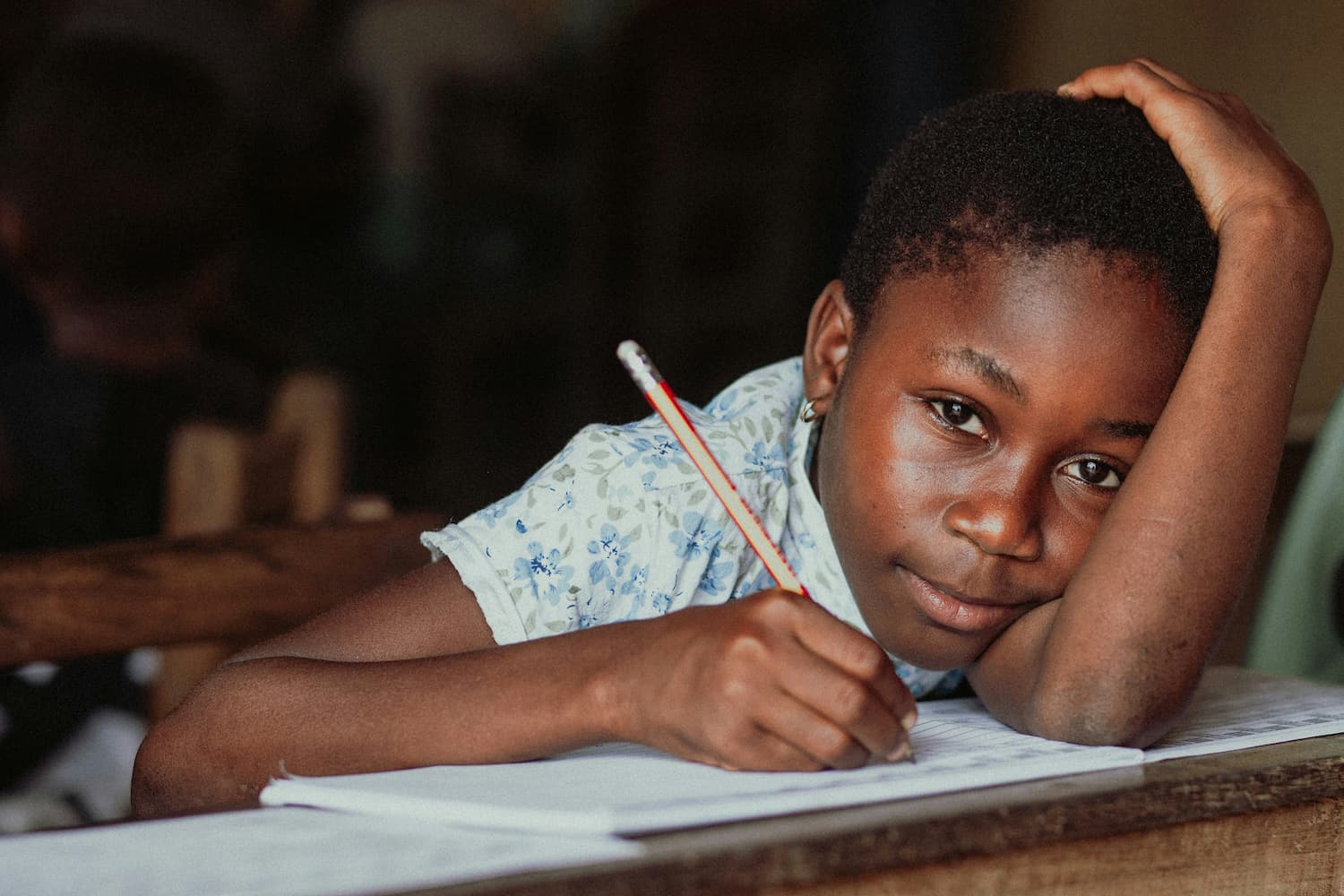
Young female student with notebook. Photo by Apex 360, Unsplash.

What we do

Our work will directly affect up to 3 million children, and reach up to 17 million more through its influence.
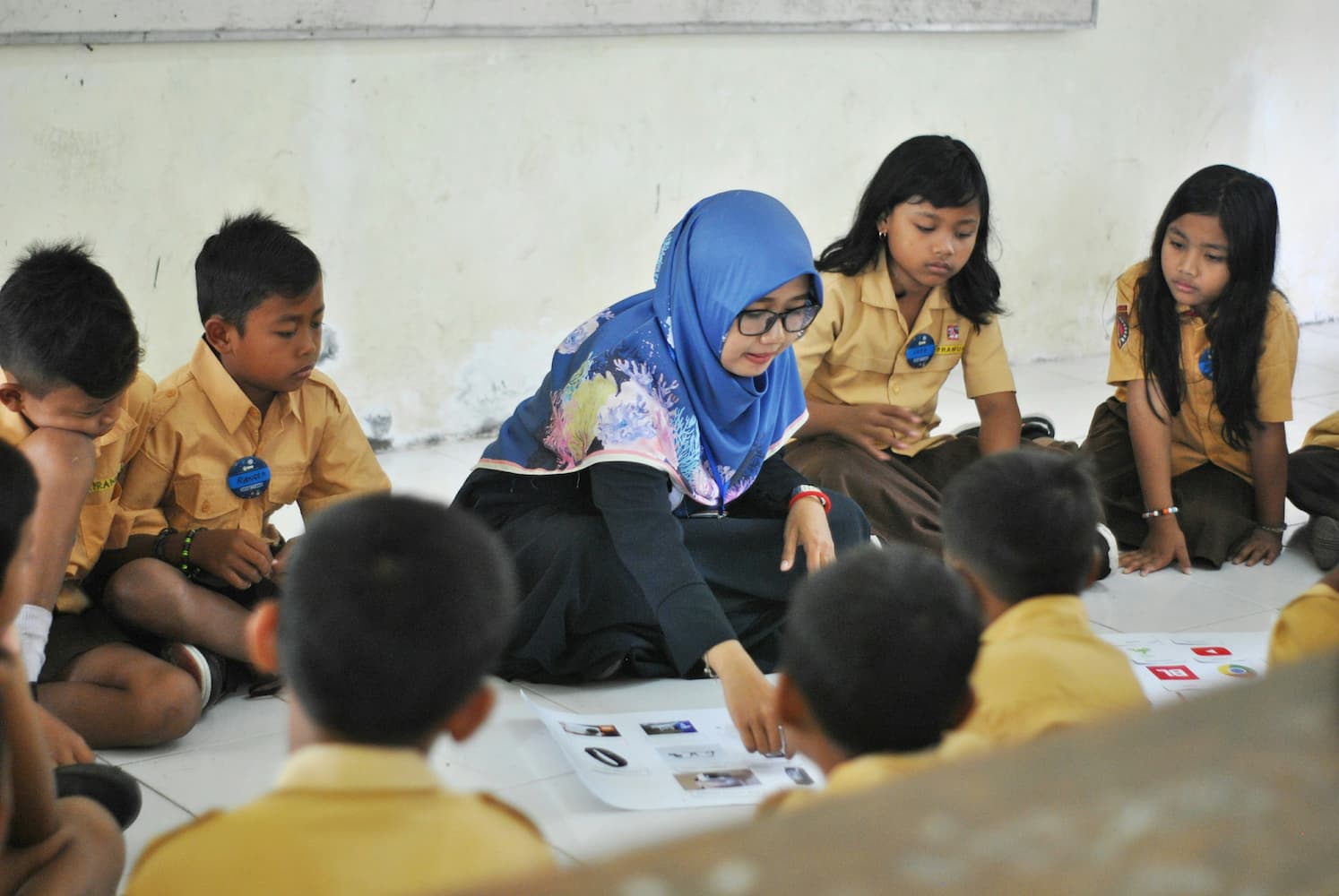
Teacher sits on the floor with group of students. Photo by Husniati Salma, Unsplash.

Who we are

A group of strategic partners, consortium partners, researchers, policymakers, practitioners and professionals working together.
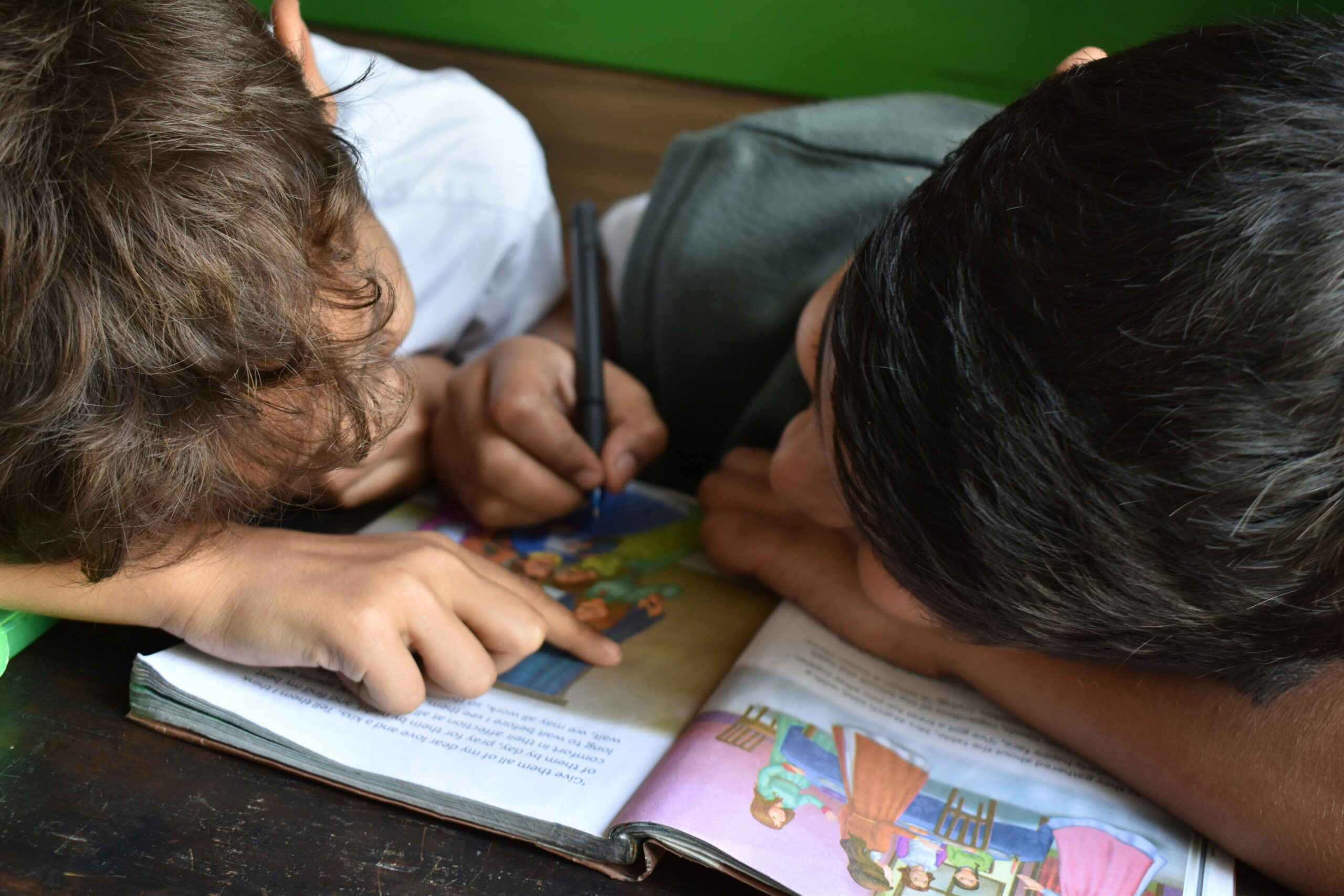
Children reading. Photo by Andrwe Ebrahim, Unsplash.

Get involved

Share our goal of literacy, numeracy and other key skills for all children? Follow us, work with us or join us at an event.

Loading...
Privacy Overview

This website uses cookies so that we can provide you with the best user experience possible. Cookie information is stored in your browser and performs functions such as recognising you when you return to our website and helping our team to understand which sections of the website you find most interesting and useful.