
Equitable Learning blog
Foreword: Achieving learning at scale with equity
Izzy Boggild Jones, Rona Bronwin, Laraib Niaz and Jennifer Opare-Kumi
Boggild Jones, I., Bronwin, R., Niaz, L & Opare-Kumi, J. 2026. Foreword: Achieving learning at scale with equity. What Works Hub for Global Education. Blog. BL_2026/017. https://doi.org/10.35489/BSG-WhatWorksHubforGlobalEducation-BL_2026/017
Improving foundational learning for all is one of the most urgent priorities in global education. Foundational learning is the platform on which children build future skills, transition through school, participate in work and society, and realise their full potential. At the Gates Foundation, the UK’s Foreign, Commonwealth & Development Office and the What Works Hub for Global Education, we share a commitment to ensuring that education systems are equipped to deliver meaningful learning progress for all children. We also know that this ambition cannot be achieved without focusing on equity from the outset. If foundational learning is to unlock opportunity for all learners, the needs of those who are furthest behind must shape the work at every stage, starting at the beginning. This is not a ‘nice to have’ but fundamental to what foundational learning for all means and how to achieve it.
Across many contexts, effective foundational learning programmes have shown that rapid progress is possible at scale. Yet even where programmes are effective, many children continue to be left behind (Amy Jo Dowd and Margaret Wawire’s blog explores this in more depth). These children may struggle to access quality education because of poverty, disability, language barriers, disrupted schooling, gender-based discrimination, food insecurity. The pace of classroom instruction can further exacerbate the challenges that these learners face in school. Moreover, climate change and conflict are increasingly compounding many of these challenges. While the specific barriers differ across countries, communities, and classrooms, supporting learners to make progress despite these barriers is essential to accelerating learning gains for all.
This is why efforts to strengthen and scale foundational learning must place equity at the centre. The question is not only whether a programme improves learning, but whether it is doing so for all children. We need to consider what it will take to identify struggling learners early, as well how education systems can act sooner and respond with practical and affordable approaches to ensure that they are both inclusive and resilient. The What Works Hub for Global Education’s intellectual framework offers one approach, helping governments use data and evidence to identify equity gaps and target and adapt interventions so that all children can learn.
The Gates Foundation, the Foreign, Commonwealth & Development Office and the What Works Hub for Global Education are committed to ensuring that solutions to improve foundational learning are designed in ways that governments can adopt, finance and sustain at scale. This means investing in the evidence, delivery capacity and financing needed to ensure that equity shapes how education systems diagnose needs, support instruction, allocate resources and measure success. Equity cannot be something that is addressed only after foundational learning reforms or interventions are rolled out. Instead, it must inform how these interventions and reforms are conceptualised, designed, implemented, and financed. The good news is that what works best for the most marginalised learners is often what works best for everyone.
Of course, the importance of equity in foundational learning is not a new discovery. Examples of existing evidence have helped shape the field’s understanding of why learning systems must focus on those at the bottom of the distribution. These include, for example, the Learning Equity Initiative, the Girls’ Education Challenge, Centre for Global Development, RISE Ethiopia, and Language and Learning Foundation in India. More recently, the What Works Hub for Global Education’s ongoing blog series with the REAL Centre on gender equality, disability, and social inclusion in implementation science is bringing together a range of evidence and insight on promising approaches for improving outcomes at scale for girls and marginalised groups. This series builds on that work and asks how equity can become a more explicit and practical part of the broader foundational learning agenda.
Over the coming months, this series will explore what equity means in early grade classrooms, how it differs by context, and what promising solutions are emerging. It brings together insights from scholars, practitioners, policymakers, including those from the Global South. We hope that you will follow along and join the conversation about what it will take to ensure that every child develops the foundational skills they need to thrive.


Discover more
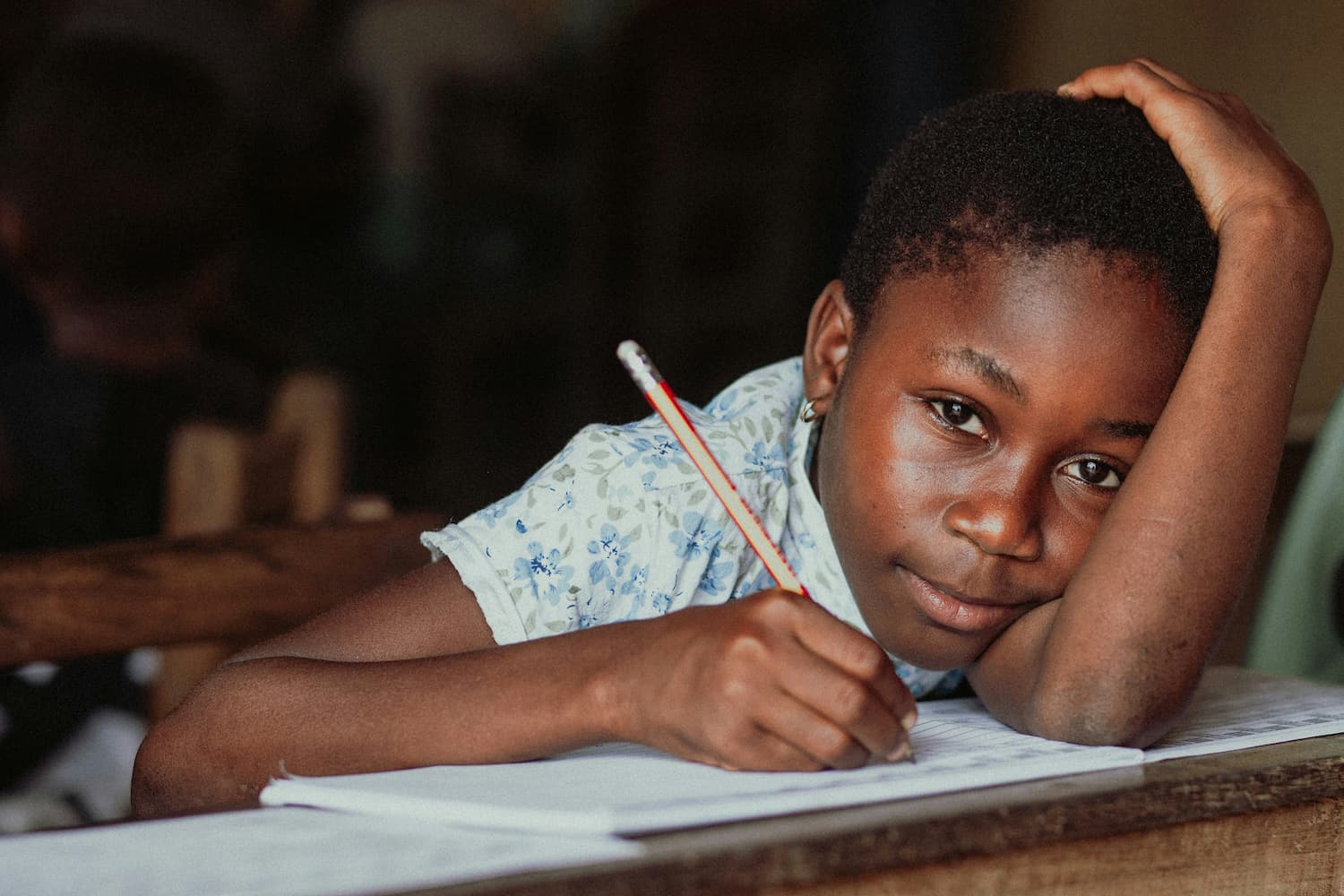
What we do
Our work will directly affect up to 3 million children, and reach up to 17 million more through its influence.
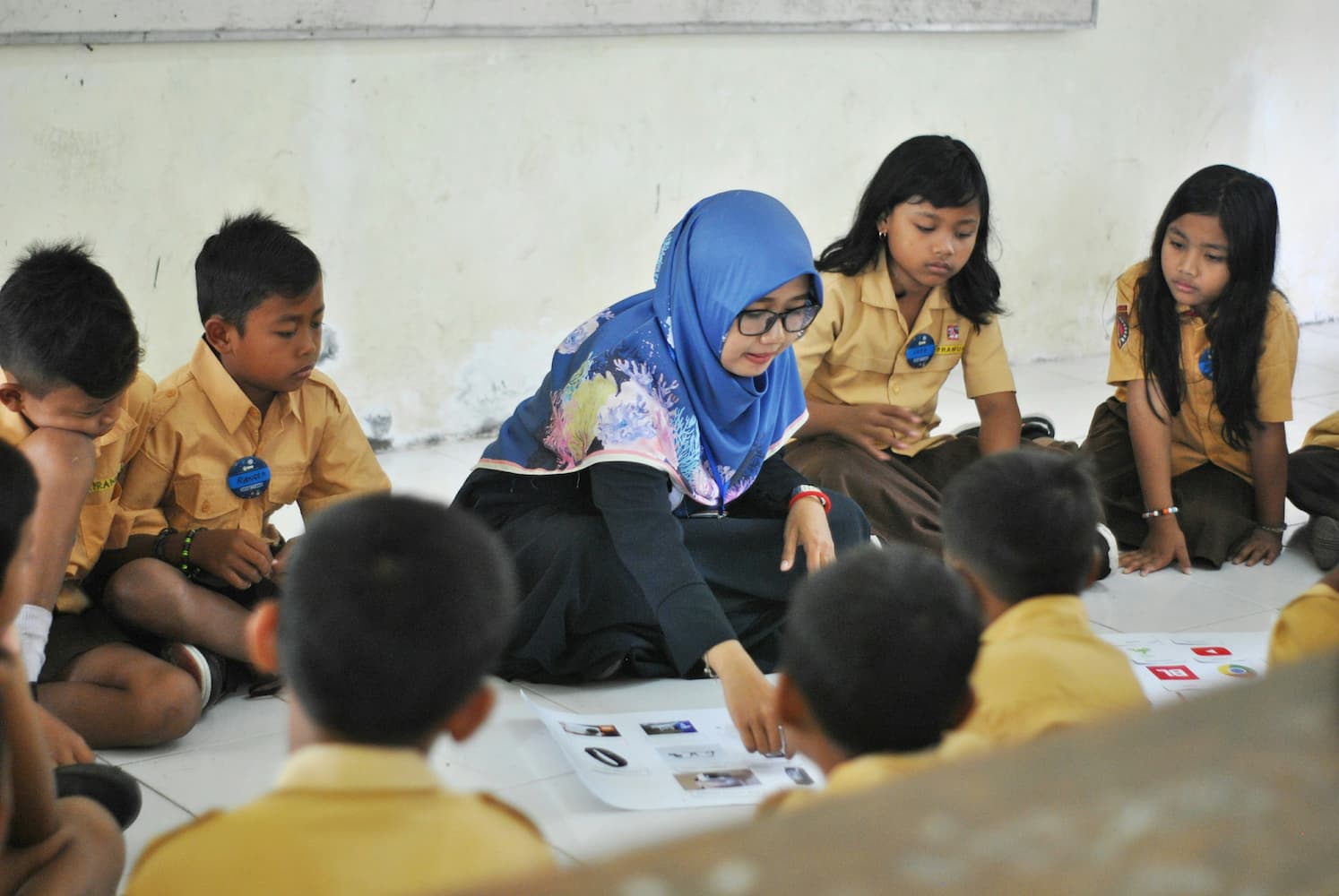
Who we are
A group of strategic partners, consortium partners, researchers, policymakers, practitioners and professionals working together.
Get involved
Share our goal of literacy, numeracy and other key skills for all children? Follow us, work with us or join us at an event.