Oxford, UK, 9 September 2026 – Education systems can use simple, low-cost mobile phone tutoring to maintain and improve children’s learning during major disruptions such as school closures, according to a new study published in Nature.
The study, led by researchers at the University of Oxford’s What Works Hub for Global Education, Youth Impact and other organisations, reports findings from five large randomised trials conducted with partners in India, Kenya, Nepal, the Philippines and Uganda.
The researchers tested scalable models of remote education delivered through mobile phones during the COVID-19 pandemic, including weekly SMS messages and one-to-one phone call tutorials designed to teach children at their current level of learning. The findings show that phone call tutorials produced large and consistent learning gains across all five countries.
The approach was also highly cost-effective. The researchers estimate that the programme delivered approximately 3.6 learning-adjusted years of schooling per US$100 spent, placing it among the most cost-effective education interventions in a comparison of more than 150 programmes.
Crucially, and rather than relying solely on non-governmental organisations, the study tested whether the approach also tested whether the approach could work when delivered through government education systems.
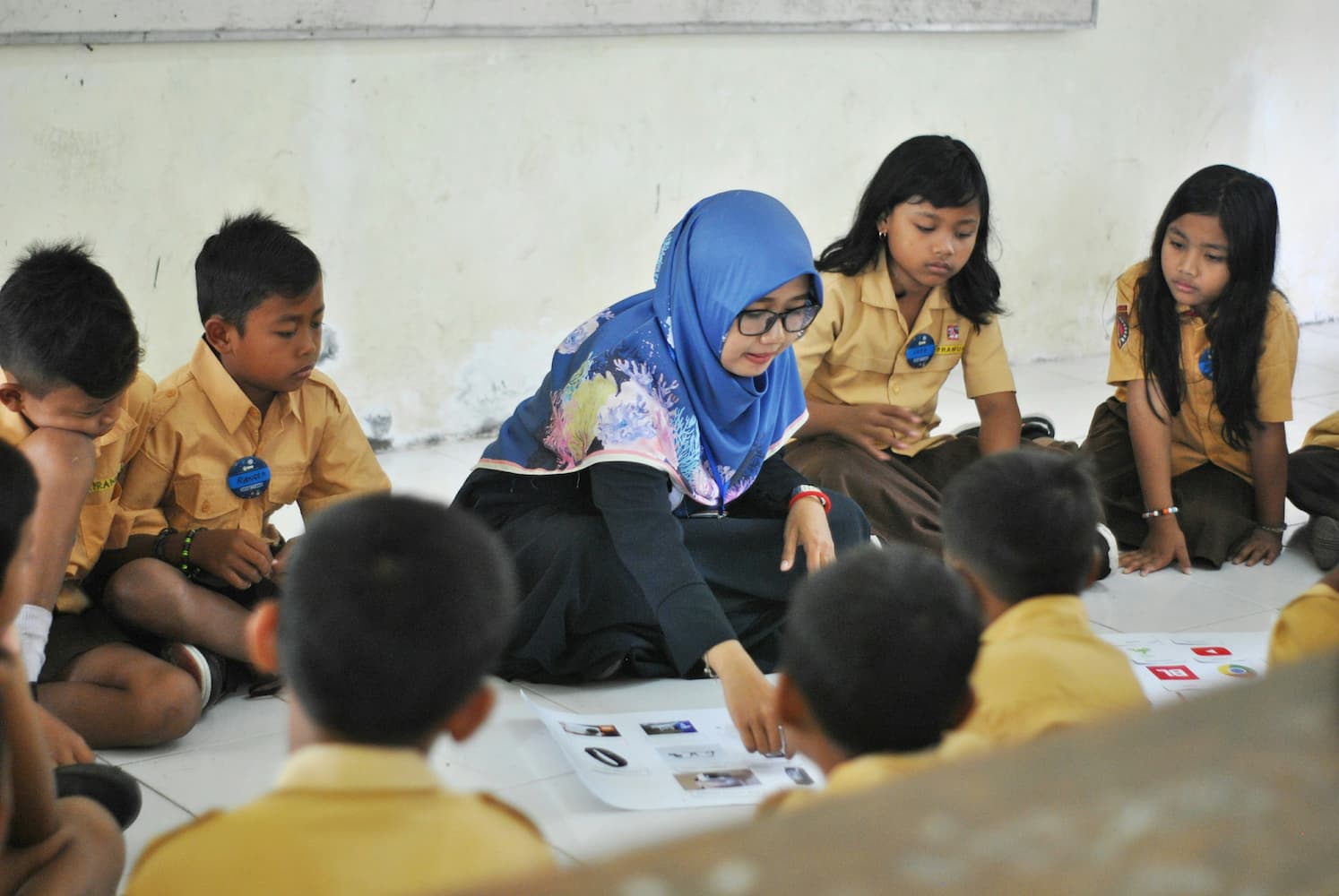
In Nepal and the Philippines for example, where delivery models were directly compared, phone-based tutoring produced substantial learning gains when delivered by government teachers as well as NGO instructors.
These are key findings, showing that effective education interventions do not necessarily have to rely on NGO delivery to retain their impact.
Building more resilient education systems
More than two billion people live in countries affected by emergencies that can disrupt education, while an estimated 222 million children experience regular interruptions to their schooling and are in need of education-in-emergencies support.
The COVID-19 pandemic provided a particularly clear example, with school closures affecting more than a billion children worldwide.
The researchers argue that education systems need approaches that are low-cost, simple to implement and capable of reaching children when conventional schooling is disrupted.
Mobile phones offer such an opportunity. While internet access remains limited in many low-income countries, mobile phone ownership is much more widespread, allowing teachers to reach children at home without relying on internet connectivity.
The study found that phone call tutorials achieved high levels of engagement, with 70–80% week-on-week participation. The approach combined the reach of mobile technology with a targeted teaching method: tutors regularly assessed children’s learning and adapted instruction to their individual level.
Dr Noam Angrist, Academic Director of the What Works Hub for Global Education, Blavatnik School of Government, University of Oxford, and lead author of the study, said:
“This study provided needed evidence on what works at a time of historic uncertainty and need for effective approaches to promote learning during widespread school disruptions. The study provided this evidence not only in one setting and for one delivery model, but at scale across five diverse countries, testing both NGO and government delivery models.”
Learning that can work at scale
The research also provides evidence about why the intervention was effective across different settings. The researchers found that the effectiveness of the phone tutorials increased across the sequence of trials, alongside improvements in the accuracy with which instruction was targeted to children’s learning levels.
In Nepal, for example, targeting accuracy began at around 51%, while in Uganda it reached more than 80%. This suggests that programmes can potentially develop a “learning curve” as they are implemented and refined across different contexts, rather than inevitably losing effectiveness as they scale. The findings are particularly striking in Uganda and the Philippines, where children had experienced some of the longest school disruptions. In Uganda, for example, the proportion of Grade 4 children able to perform division increased from 10% in the control group to 48% among children receiving the phone-based intervention at the end of the study.
The study also found evidence that the intervention benefited children across different starting levels of learning and characteristics, with effects broadly consistent across students with different baseline learning levels and between boys and girls.
Implications beyond emergencies
Although the trials were conducted during periods of major educational disruption, the researchers suggest that the potential applications extend beyond emergencies.
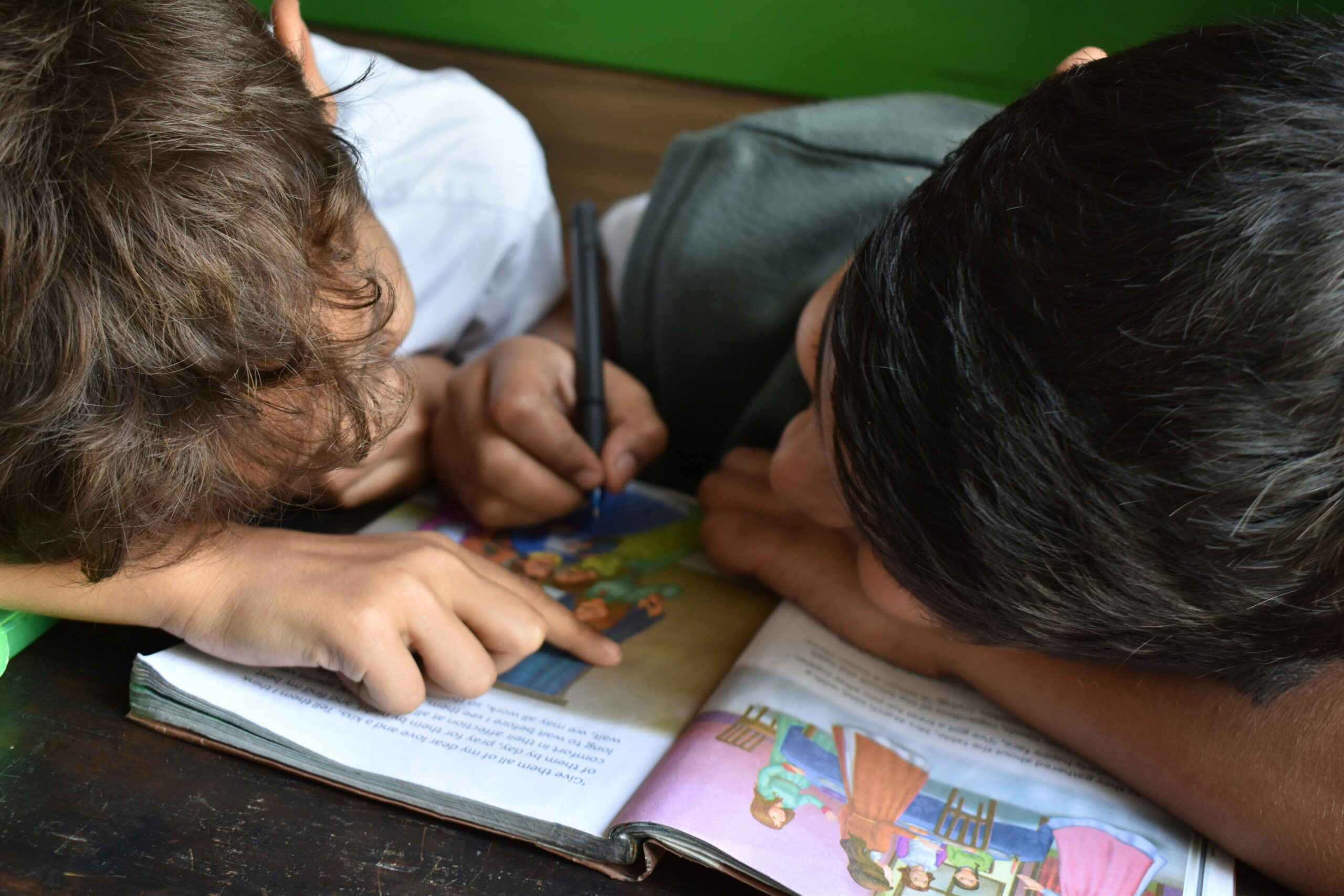
Millions of children worldwide continue to receive too little effective instruction even when schools are open, including children who have limited access to quality teaching because they live in remote areas.
The researchers argue that low-cost, accessible mobile tutoring could have a role both in responding to emergencies and in addressing the wider global learning crisis.
Lead author Noam Angrist said:
“It is some of the world’s fastest, multi-country evidence ever generated in education, showing that rigorous evidence need not be slow or small – it can be widespread and inform real-time policy and practice.”
The study demonstrates the value of conducting rigorous research not only on whether an education intervention works, but also on whether it can remain effective across different contexts and when delivered through the systems responsible for education at scale.
The study ‘Mobile education builds resilience during shocks in five countries’ is published in Nature. Read the press releases published by the Blavatnik School of Government and the Centre for the Study of African Economies, as well as the expert commentary published by the University of Oxford.
Media enquiries
Noam Angrist
noam.angrist@bsg.ox.ac.uk
What Works Hub for Global Education Communications team
comms.wwhge@bsg.ox.ac.uk