
Working paper
Building resilient education systems: Experimental evidence across five countries
Noam Angrist, Micheal Ainomugisha, Sai Pramod Bathena, Peter Bergman, Colin Crossley, Claire Cullen, Thato Letsomo, Moitshepi Matsheng, Rene Marlon Panti, Shwetlena Sabarwal and Tim Sullivan
Education systems need to withstand frequent shocks, including disease and climate events,which close schools for over 222 million children. During these emergencies, alternative models are needed to deliver education. However, rigorous evaluation of effective educational approaches in these settings is challenging and rare, especially across multiple countries. We present results from five randomised trials in India, Kenya, Nepal, Philippines, and Uganda to evaluate the provision of education in emergency settings. These multi-site coordinated trials enable us to uniquely inform internal and external validity simultaneously. We also test multiple scalable models of remote targeted tutoring instruction, comparing government and NGO delivery. While SMS messages have mixed results, phone call tutorials show consistent effectiveness across diverse settings. We find large and robust effect sizes on learning, with average effects of 0.30-0.35 standard deviations. These effects are highly cost-effective, delivering up to four years of high-quality instruction per $100 spent. Results also show similar effects when delivered by government teachers as NGO instructors and sustained improvements to teacher beliefs and practices. We further evaluate effects during a government scale-up with 25,000 teachers in India and an additional weather shock in the Philippines. Altogether, our results reveal it is possible to strengthen the resilience of education systems, enabling education provision amidst disruptions, and to deliver cost-effective learning gains across contexts and with governments.


Discover more
What we do
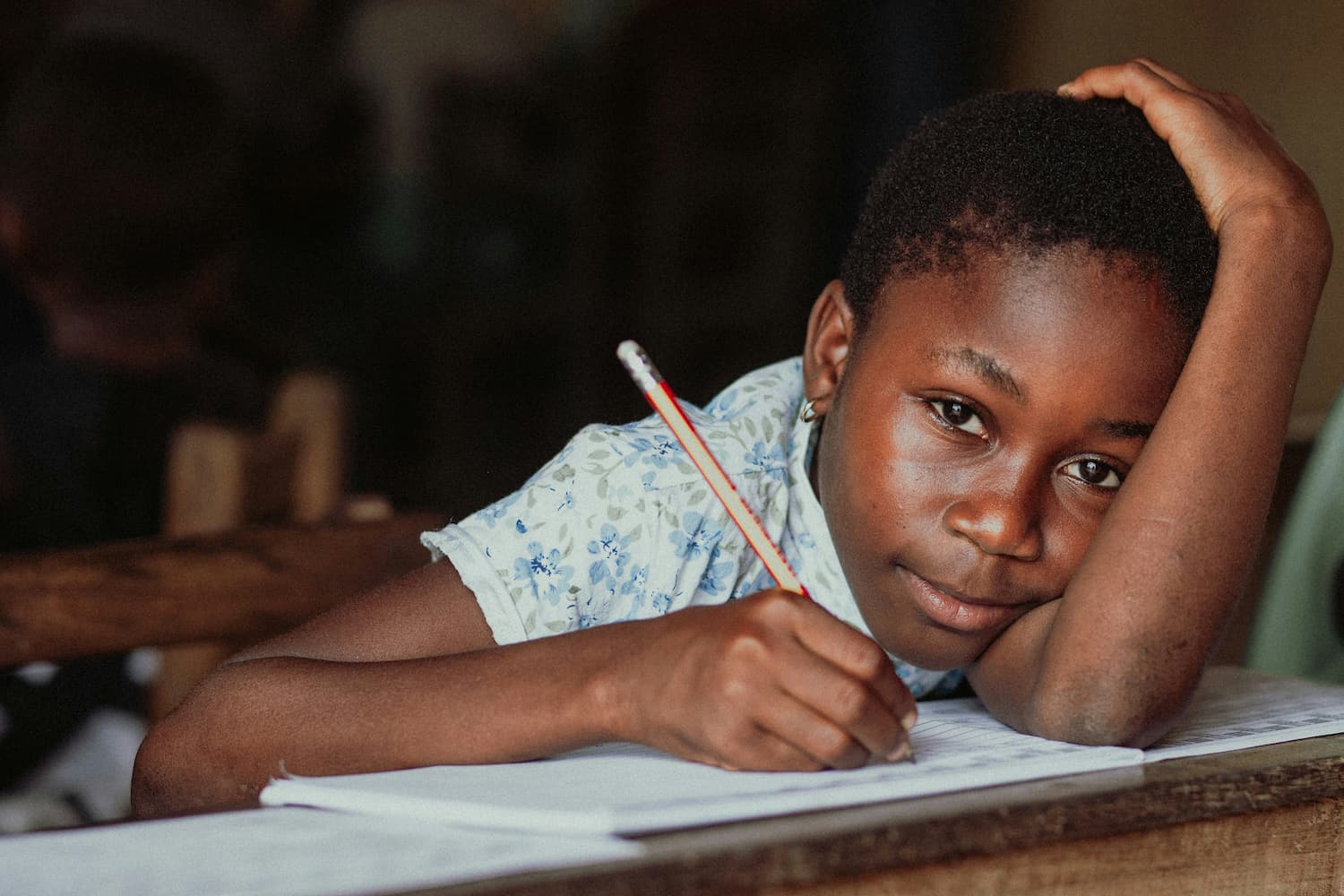
Our work will directly affect up to 3 million children, and reach up to 17 million more through its influence.
Who we are
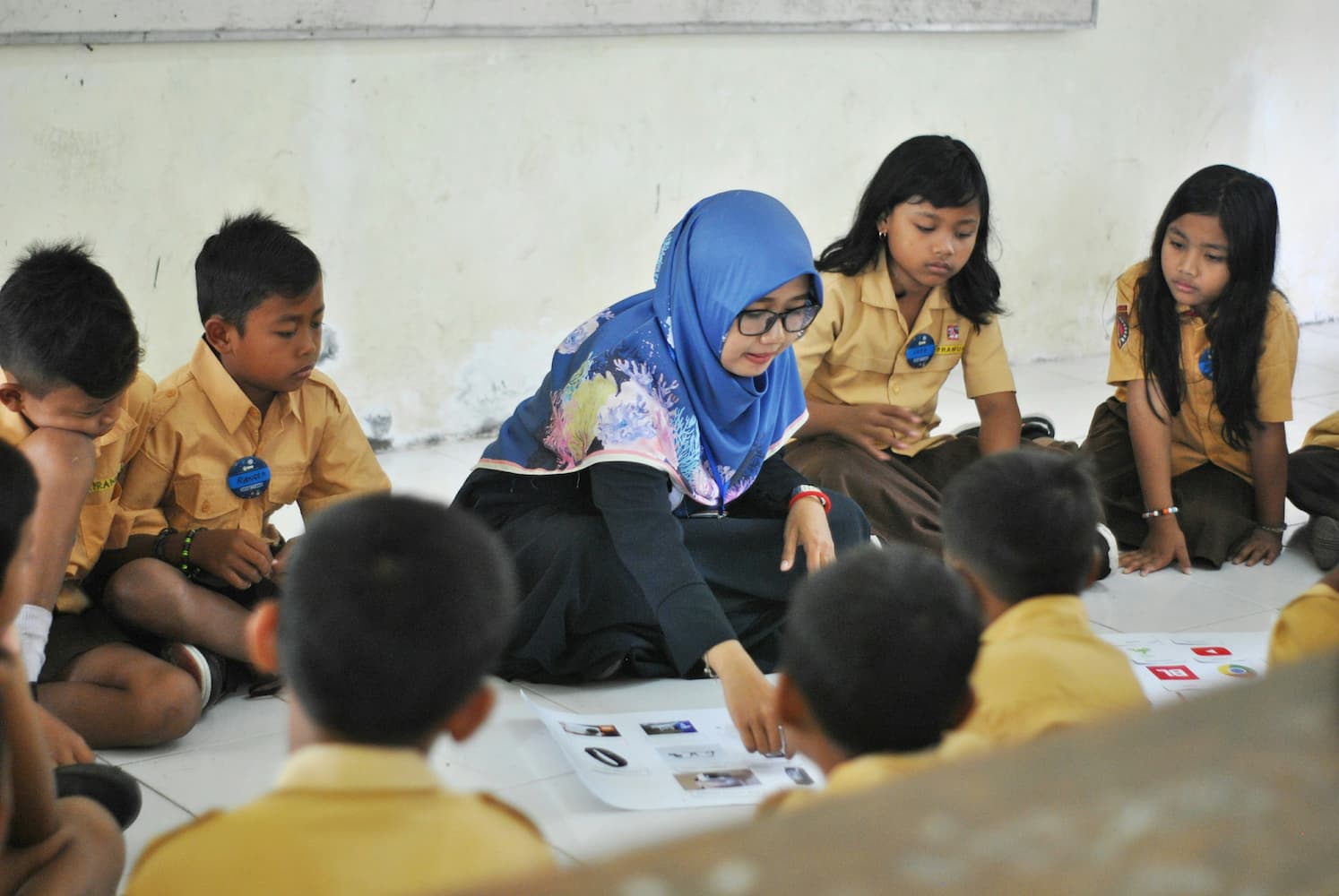
A group of strategic partners, consortium partners, researchers, policymakers, practitioners and professionals working together.
Get involved
Share our goal of literacy, numeracy and other key skills for all children? Follow us, work with us or join us at an event.