
Insight note
The path to scale: navigating the scaling of structured pedagogy programmes
Heather Leigh Kayton and Michelle Kaffenberger
Abstract
Structured pedagogy programmes have emerged as an effective approach for improving foundational learning outcomes. This insight note explores some of the pathways taken when scaling structured pedagogy programmes within government education systems. We examine this process through the lens of the intellectual framework of the What Works Hub for Global Education. To illustrate the diversity of scaling pathways and how they play out in real education systems, we explore two cases. The first is Kenya’s Tusome programme, which followed a relatively straightforward progression through the framework’s components, building systematically from initial evidence to national implementation. In later years, however, it did repeat some stages of the framework. The second is Liberia’s Teacher Training Programme (LTTP II), which took a more complex path, shaped by context-specific challenges. These examples illustrate different routes taken as programmes moved towards implementation at scale, as well as the strategies that helped each programme to progress towards effectiveness.
References
Caleiro, J. P. (2023). Learning from Kenya – The experiences of Tusome and PRIEDE.
Lemann Foundation Programme, South-South Programme.
Davidson, M., & Hobbs, J. (2013). Delivering reading intervention to the poorest children: The case of Liberia and EGRA-Plus, a primary grade reading assessment and intervention. International Journal of Educational Development, 33(3), 283-293.
Freudenberger, E., & Davis, J. (2017). Tusome external evaluation—Midline report.
Management Systems International.
Global Education Evidence Advisory Panel. (2023). Cost-Effective Approaches to Improve Global Learning – What does recent evidence tell us are “Smart Buys” for improving learning in low- and middle-income countries? [K. Akyeampong, T. Andrabi, A. Banerjee, R. Banerji, S. Dynarski, R. Glennerster, S. Grantham-McGregor, K. Muralidharan, B. Piper, S. Ruto, J. Saavedra, S.]
Gove, A., Korda Poole, M., & Piper, B. (2017). Designing for scale: Reflections on rolling out reading improvement in Kenya and Liberia. In A. Gove, A. Mora, & P. McCardle (Eds.), Progress toward a literate world: Early reading interventions in low-income countries, New Directions for Child and Adolescent Development, 155, 77–95.
Hwa, YY., Kayton, H. L., and Kaffenberger, M. 2024. Implementing structured pedagogy programmes at scale. What Works Hub for Global Education. Synthesis brief, 2024/002.
King, S., Korda, M., Nordstrum, L., & Edwards, S. (2015). Liberia Teacher Training Program: Endline assessment of the impact of early grade reading and mathematics interventions. USAID, Liberia Ministry of Education & FHI 360.
Kiptoo, J. (2024, April 29). How the literacy programme Tusome will be run in schools. Education News Kenya.
Menendez, A., Hoadley, U., & Solovyeva, A. (2021). Read Liberia Impact Evaluation: Endline Report July 2021 (Updated version November 2021).
Ministry of Education Liberia. (2024, May 17). Ministry of Education, in collaboration with LFSA, unveils $75 million initiative to revolutionize Liberian education [Press release]. https:/moeliberia.com
Piper, B., Destefano, J., Kinyanjui, E. M., & Ong’ele, S. (2018). Scaling up successfully: Lessons from Kenya’s Tusome national literacy program. Journal of Educational Change, 19, 293-321.
Piper, B., Zuilkowski, S. S., & Mugenda, A. (2014). Improving reading outcomes in Kenya: First-year effects of the PRIMR initiative. International Journal of Educational Development, 37, 11–21.
Science of Teaching. (2024). Structured Pedagogy.
Stern, J., Jukes, M., DeStefano, J., Mejia, J., Dubeck, P., Carrol, B., Jordan, R., Gatuyu, C., Nduku, T., Van Keuren, C., Punjabi, M., & Tufail, F. (2023). Learning at Scale: Final report. Prepared for the Center for Global Development and the Bill & Melinda Gates Foundation by RTI International.
USAID. (2022). Tusome Case Study Final Report. Laser Pulse.
USAID. (2024, March). The Kenya Primary Literacy Programme Fact Sheet.
Discover more
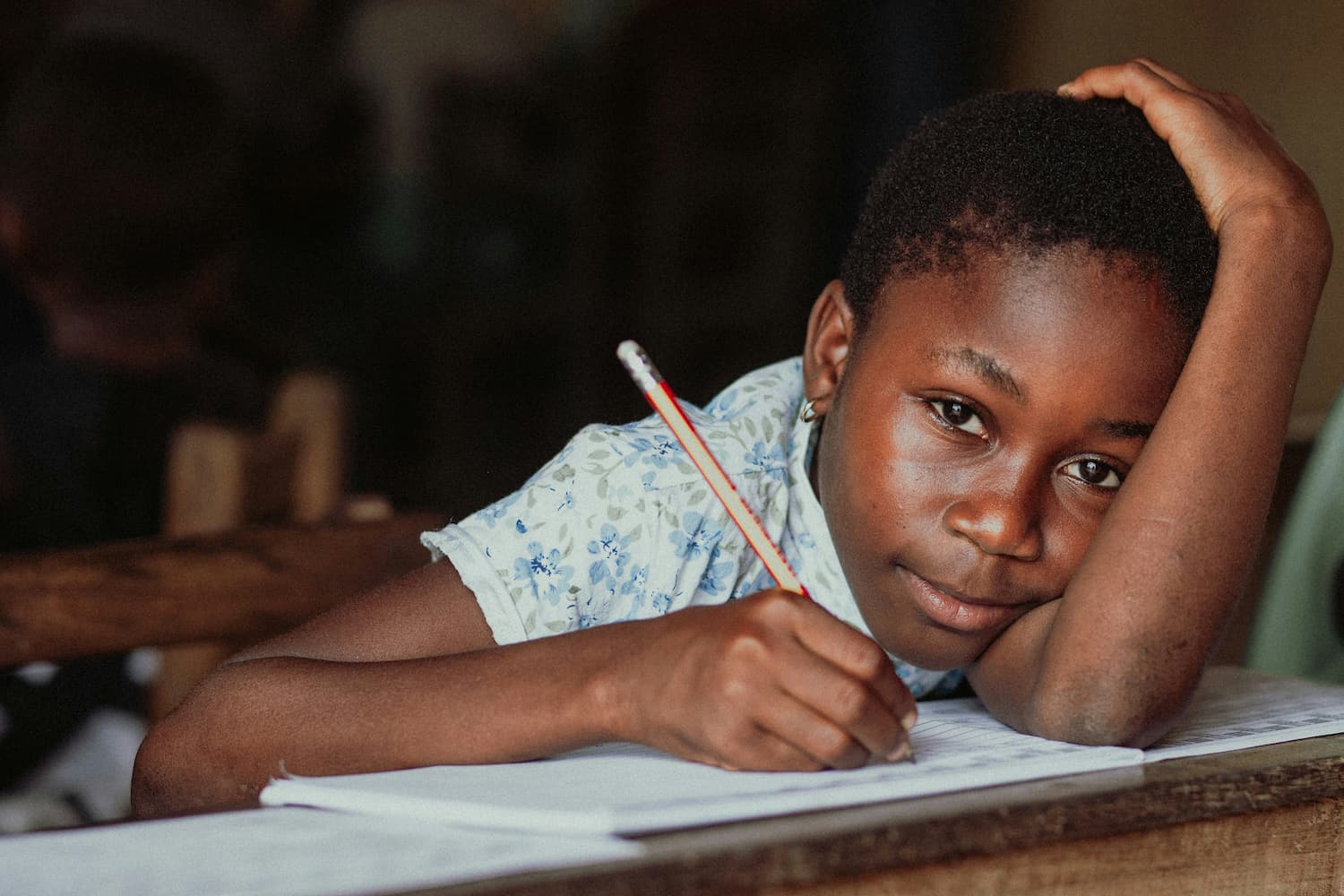
What we do
Our work will directly affect up to 3 million children, and reach up to 17 million more through its influence.
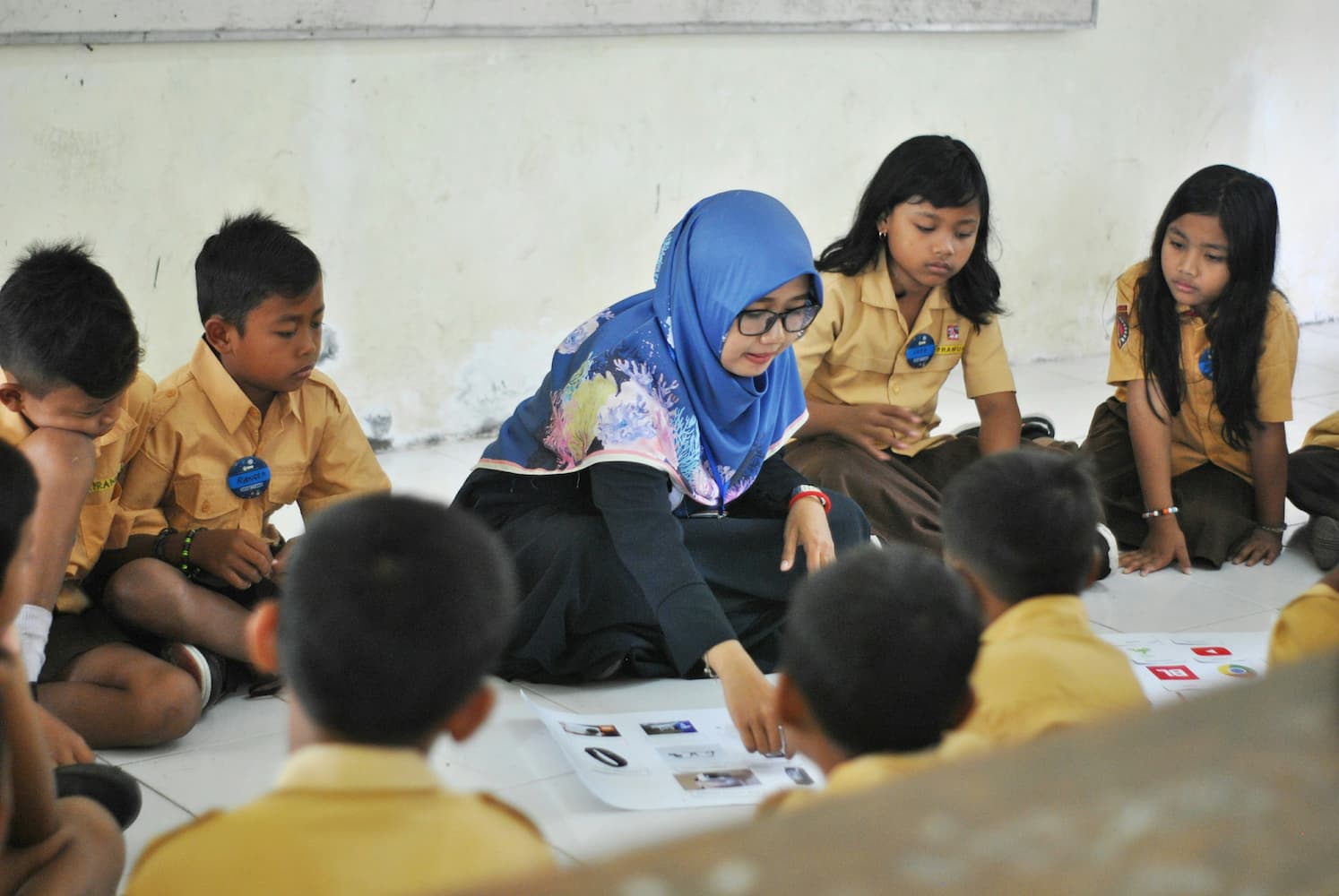
Who we are
A group of strategic partners, consortium partners, researchers, policymakers, practitioners and professionals working together.
Get involved
Share our goal of literacy, numeracy and other key skills for all children? Follow us, work with us or join us at an event.