
Insight note
Sustaining global education finance: Protecting learning amid aid cuts
Susannah Hares and Jack Rossiter
As of 2022, 70% of ten-year-olds in low- and middle-income countries could not read and understand a basic text. In Sub-Saharan Africa, learning poverty often exceeds 80%, while public education budgets are under severe and mounting pressure. In this context, international aid, although often modest compared to domestic spending, remains vital. Yet aid to education is being squeezed within the wider aid system. In 2023, education disbursements reached a record $16.7 billion, but education’s share of overall official development assistance (ODA) fell from about 7.4% in 2014 to 5.8%. The outlook is for further tightening. Major bilateral donors, including the United States and the United Kingdom, have signalled substantial retrenchment.
This insight note takes these pressures as its starting point. Section 1 sets out macro trends in global aid allocations over the decade since 2014, showing how crisis-linked categories have outpaced traditional development sectors, with education losing relative ground. Sections 2 through 5 analyse the structure, distribution, and sub-sectoral composition of education aid, examine donor dynamics, and model four plausible funding trajectories to 2026. Sections 6 and 7 then explore what those scenarios mean for individual countries, particularly those with high levels of learning poverty or strong aid dependence, and outline strategies that education finance advocates can adopt to mitigate the risks.
Hares, S. & Rossiter, J. 2025. Sustaining global education finance: Protecting learning amid aid cuts. What Works Hub for Global Education. Insight note. 2025/008. https://doi.org/10.35489/BSG-WhatWorksHubforGlobalEducation-RI_2025/008

Discover more
What we do
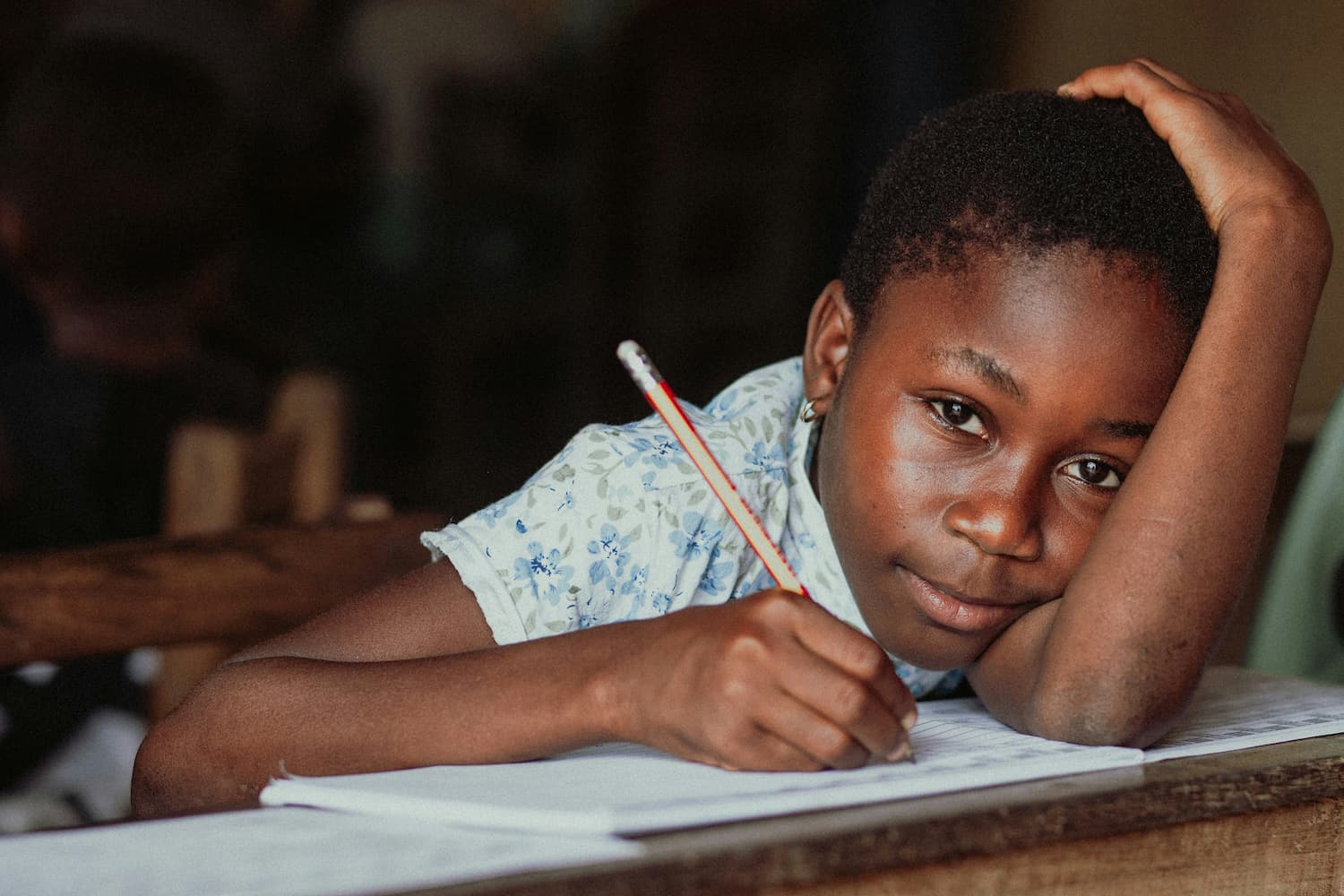
Our work will directly affect up to 3 million children, and reach up to 17 million more through its influence.
Who we are
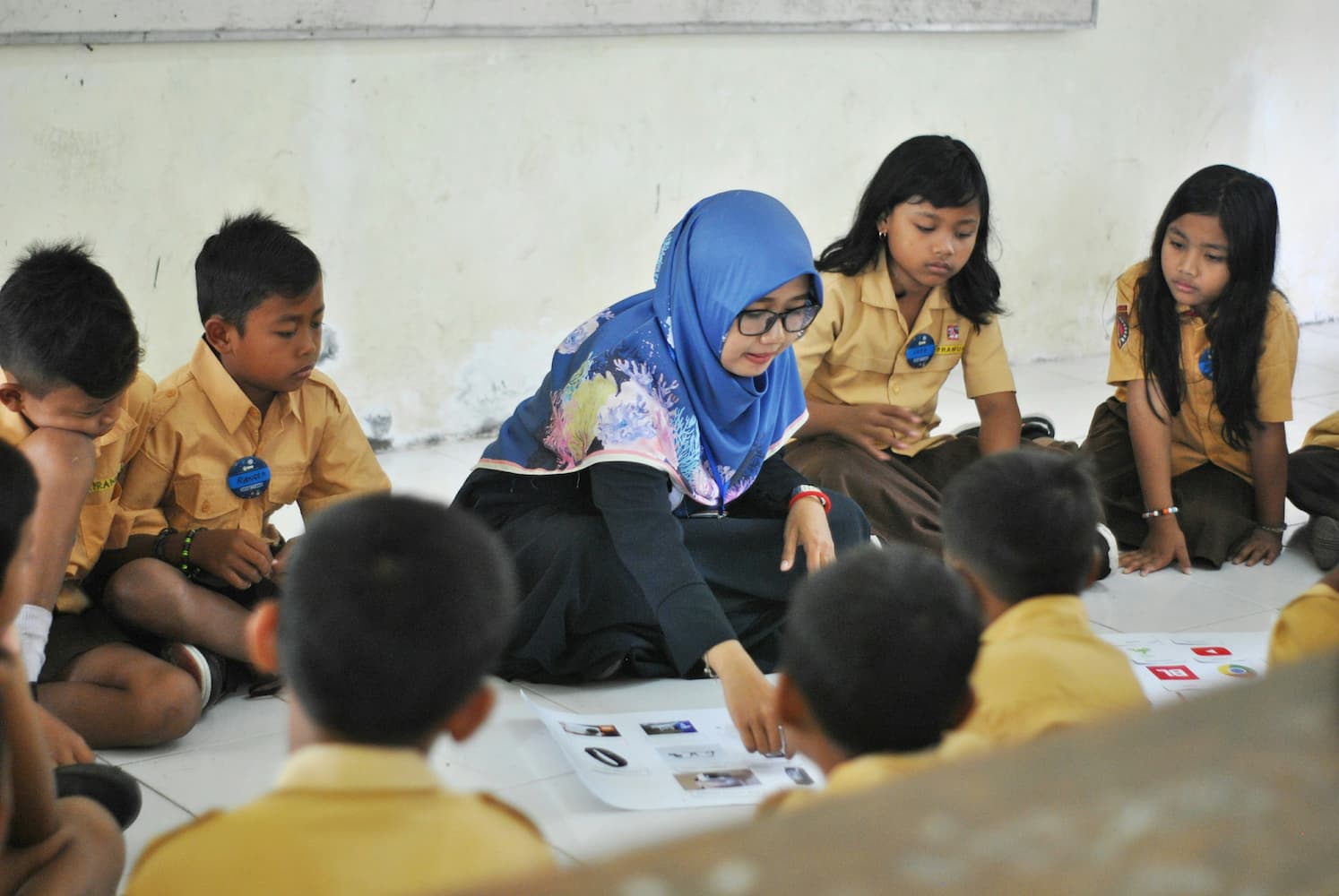
A group of strategic partners, consortium partners, researchers, policymakers, practitioners and professionals working together.
Get involved
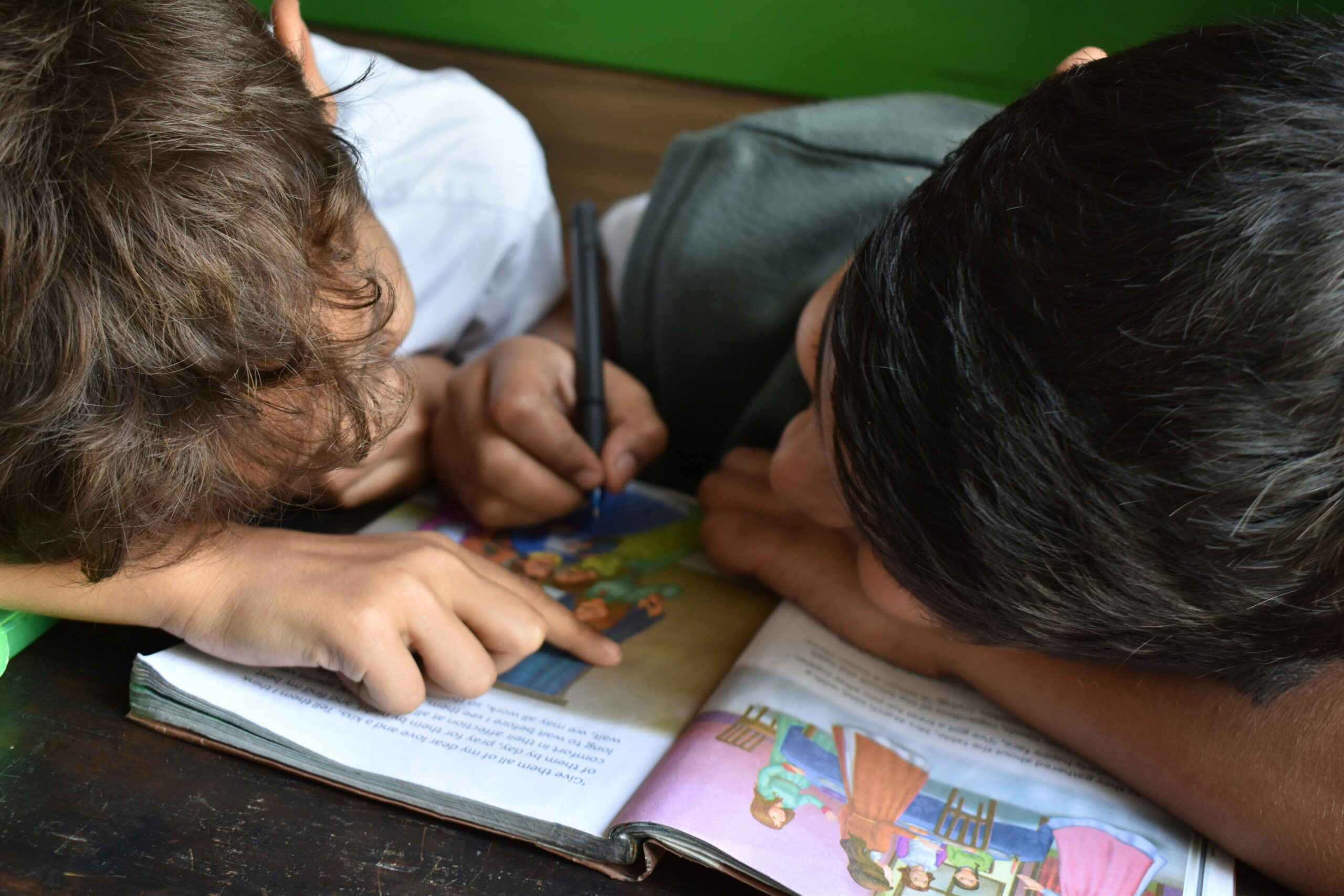
Share our goal of literacy, numeracy and other key skills for all children? Follow us, work with us or join us at an event.