
GEDSI blog
From margins to mainstream: How Rwanda is rewriting the future for out-of-school children and youth
Vanessa Umutoni
Umutoni, V. 2026. From margins to mainstream: How Rwanda is rewriting the future for out-of-school children and youth. What Works Hub for Global Education. Blog. BL_2026/001. https://doi.org/10.35489/BSG-WhatWorksHubforGlobalEducation-BL_2026/001
This blog explores how the Learning and Inclusion For Transformation (LIFT) programme is helping Rwanda rewrite the future for out-of-school children and youth. By embedding Gender Equality, Disability and Social Inclusion (GEDSI) in every aspect of the programme’s work, and applying implementation science principles, LIFT supports the government and communities in creating lasting, inclusive change.
LIFT generates system change by employing an implementation science approach, ensuring that the data is not just diagnostic but catalytic, by turning youth voices into policy shifts and evidence into actions.
- Evidence into action: LIFT uses robust data to inform targeted, evidence-based interventions across ministries and districts.
- Iterative learning: LIFT strategies are continuously refined based on real-time feedback from communities and partners.
- Systemic change: By embedding this approach, LIFT ensures that GEDSI commitments are not isolated projects but are integrated into national education systems.
What is Learning and Inclusion For Transformation (LIFT) and how does it incorporate GEDSI?
The LIFT programme is a Foreign, Commonwealth & Development Office (FCDO) funded education project. It has been designed to focus on foundational learning outcomes in English and Mathematics, with a stronger focus on girls’ education and inclusive education. It works to reduce school drop-out and improve transition to lower secondary or other learning pathways, particularly for girls and children with disabilities. It was designed to close persistent equity gaps in education by generating evidence and turning it into practice. LIFT’s commitment to GEDSI is not just structural; it is also practical. LIFT works with and through 16 partners and each of these Rwandan local civil society organisations has been chosen to ensure the sustainability of programming and to bring their expertise to work within the community. LIFT embeds GEDSI to ensure that our interventions directly respond to the lived realities of the most disadvantaged learners.
The situation in Rwanda and LIFT’s response
Globally, 244 million children and youth remain out of school. In Rwanda, the government is showing remarkable leadership through the Zero Out-of-School Children programme, which identified over 165,000 children, including those with functional difficulties, those who never enrolled, and those who dropped out. LIFT’s analysis highlights that while re-enrolment is critical, retention, progression and wellbeing must also be central metrics of success. The evidence generated by the programme is being used in partnership with government and partners to refine strategies, ensuring that children not only return to school but thrive once there.
Key challenges and how LIFT is addressing them
Gendered barriers
Girls aged 15-19 perform an average of 17 hours of domestic work weekly, compared to 12 for boys, limiting time for study and rest. Only 7% of girls re-enter school after dropping out, versus 15% of boys. LIFT supports double-shift schooling and works with local leaders to reduce domestic burdens on girls, freeing up time for study and rest. It is also adapting programming to address low re-enrolment of adolescent mothers by piloting childcare support and linking girls to Sexual and Reproductive Health and Rights (SRHR) services.
Disability inclusion: Changing the narrative, transforming the system
The LIFT programme is embedding disability inclusion into the heart of Rwanda’s education system, advocating for sustainable financing of assistive devices, inclusive infrastructure and teacher support. Only 1.2% of Rwandan children aged 10-19 are officially identified as having disabilities, a figure far below the actual prevalence. This gap highlights the urgent need for better identification systems, stronger and reliable data collection, and inclusive practices to ensure that every child with a disability is recognised and supported. The reality is different: many children with functional difficulties are simply not being seen, supported or counted. They are more likely to start school late, drop out early or never enrol at all. LIFT is actively working to change this. In partnership with districts, LIFT is collaborating with disability-specialist partners who bring deep expertise and community trust. Together, LIFT partners are training inclusive education focal teachers, piloting resource rooms and designing assessments that reflect the diverse learning needs of children with disabilities.
Poverty and protection
The cost of schooling, including fees, uniforms and feeding contributions remains prohibitive for many families. LIFT’s findings show children being pulled into informal labour to support household income. We are linking education interventions with social protection and community
Youth aspirations and agency
When education reflects the realities and dreams of those it serves, it becomes a tool of transformation rather than an instruction. Our consultations with out-of-school children and youth reveal a clear message: they want to return to school only if it is safe, inclusive and meaningful. They seek kind teachers, catch-up classrooms and learning that leads to livelihoods. LIFT is supporting government reforms in Technical and Vocational Education and Training (TVET), functional literacy and entrepreneurship training, and life skills that connect education to real labour market opportunities.
Lessons and next steps
What is next for LIFT? Scaling with purpose and staying responsive
Across Rwanda, LIFT is actively working with 16 partners who are deeply embedded in their communities, each bringing a distinct strength to the table. Some are running catch-up classrooms for children who have never had access to formal education. Others are developing inclusive assessments that reflect the lived realities of learners with disabilities. All are focusing on girls’ empowerment and tackling the barriers faced by youth in extreme poverty. Each partner is responding to local needs, not with one-size-fits-all solutions, but with approaches that are co-created, tested and refined in real time.
LIFT is not just implementing, but learning, adapting and listening. And LIFT is doing all of this while navigating real challenges. One of the biggest is accessing reliable data. LIFT is finding that data on out-of-school children and youth is often incomplete, outdated or simply missing. That is why LIFT is investing in community-led mapping, strengthening local data systems, and making sure that evidence gathered is not just technically sound but meaningful to those who use it.
The LIFT programme is facing tough questions every day:
- How do we ensure learners stay in school once they are enrolled?
- How do we support teachers to be more inclusive without overwhelming them?
- How do we make sure education leads to real opportunities not just paper qualifications?
LIFT is addressing these challenges by staying close to the ground, holding space for community voices, pushing for policies that retain and empower learners, and making sure the programme is not just about access, but about relevance and long-term impact.
For more on this approach, see the What Works Hub for Global Education implementation science framework.
Describing LIFT
Learning and Inclusion for Transformation (LIFT) is a UK-funded programme through Foreign, Commonwealth and Development Office (FCDO), led by the Ministry of Education and implemented by Cambridge Education. LIFT aims to improve foundational learning outcomes for children in English in Rwanda’s public and government aided primary schools. LIFT supports adolescents aged 12-17 to return to formal education or access alternative education pathways and enables access to education for children with disabilities.
Focusing on those most at risk of not completing basic education, LIFT is removing barriers to learning, creating safe school environments and developing partnerships for equitable education, so every child has the opportunity to thrive. The programme works across seven districts, Gakenke, Gisagara, Karongi, Rusizi, Kirehe, Gasabo, and Ngororero and is implemented by Cambridge Education.
Acknowledgement
The author would like to express her appreciation to Alicia Mills, the writer of the report that inspired this blog.
Umutoni, V. 2026. From margins to mainstream: How Rwanda is rewriting the future for out-of-school children and youth. What Works Hub for Global Education. Blog. BL_2026/001. https://doi.org/10.35489/BSG-WhatWorksHubforGlobalEducation-BL_2026/001
People
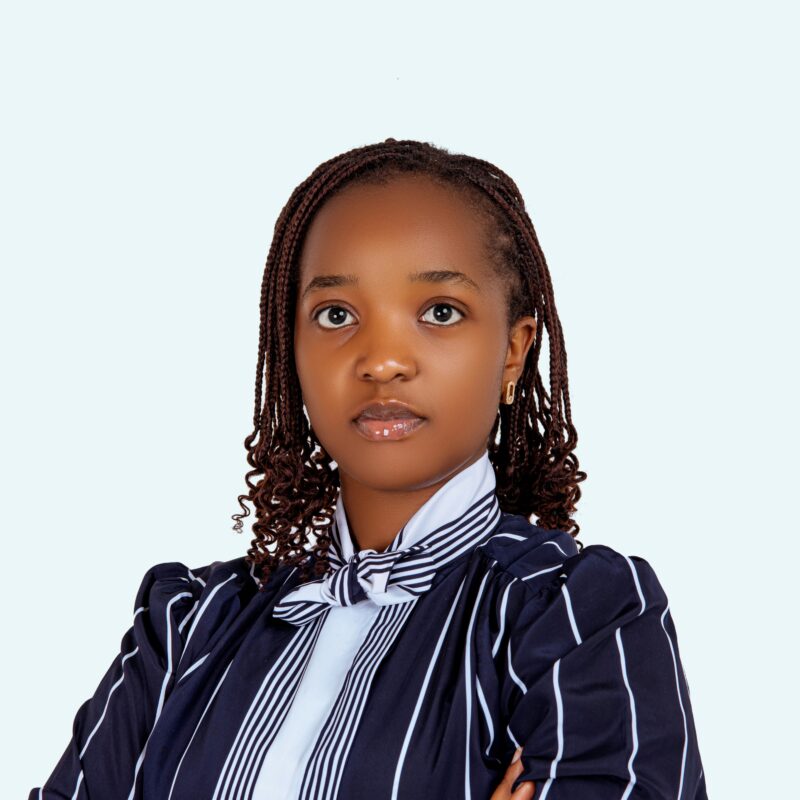
Vanessa Umutoni
Discover more
What we do
Our work will directly affect up to 3 million children, and reach up to 17 million more through its influence.
Who we are
A group of strategic partners, consortium partners, researchers, policymakers, practitioners and professionals working together.
Get involved
Share our goal of literacy, numeracy and other key skills for all children? Follow us, work with us or join us at an event.