Home > Who we are > People > Pauline Rose
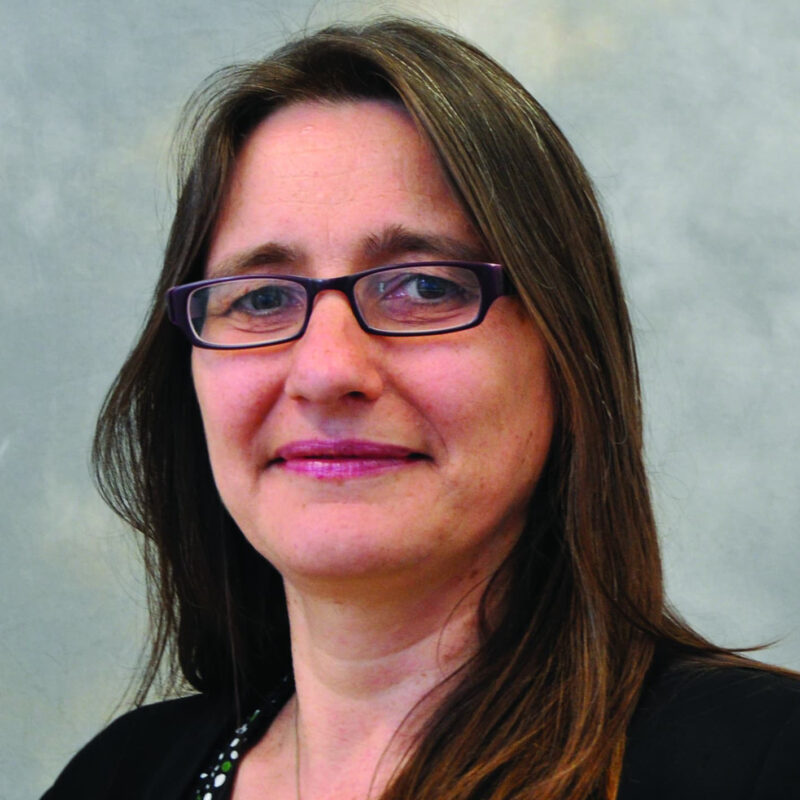
Pauline Rose

Pauline Rose

Principal Investigator and Gender Advisor

Pauline Rose is Professor of International Education at the University of Cambridge, where she is Director of the Research for Equitable Access and Learning (REAL) Centre in the Faculty of Education. She also co-directs the Cambridge Global Challenges Interdisciplinary Research Centre. Prior to joining Cambridge, Professor Rose was Director of UNESCO’s Education for All Global Monitoring Report. Throughout her career, she has collaborated on large research programmes with teams in sub‐Saharan Africa and South Asia examining issues related to improving access to quality education for marginalised children. In 2022, Professor Rose was awarded an OBE for her services to girls’ education internationally.
Related resources

GEDSI blog

Prioritising gender and social inclusion: Lessons from scaling a peer mentorship and life skills programme in Tanzania
6 March 2026

Amna Ansari, Nkanileka Loti Mgonda and Pauline Rose

Tanzania, Implementation science
Drawing on recent research on the Tanzanian Government’s adaptation and scaling of the Learner Guide programme, led by the Campaign for Female Education (CAMFED), this blog for International Women's Day explores why being intentional about gender and social inclusion during scaling matters. Read more

Working paper

Systematic review of Gender, Equality, Disability and Social Inclusion in implementation science research
5 December 2025

Laraib Niaz and Pauline Rose

Cross-country, Implementation science, Literature review
This review systematically reviews theoretical and empirical studies that incorporate Gender Equality, Disability and Social Inclusion (GEDSI) in implementation science research in education. Read more

GEDSI blog

Reaching the marginalised or going to scale? Lessons from the Girls’ Education Challenge
24 April 2025

Laraib Niaz, Pauline Rose, Monazza Aslam and Shenila Rawal

Pakistan, Cross-country, Ghana, Tanzania, Kenya, Nepal, Sierra Leone, Ethiopia, Somalia, Malawi
This blog explores the potential tensions between achieving scale and reaching the marginalised in education programmes, drawing on evidence from the Girls’ Education Challenge (GEC). Read more

GEDSI blog

Launching the Gender Equality and Social Inclusion in Implementation Science Research blog series: Bridging the gaps
8 March 2025

Laraib Niaz and Pauline Rose

Implementation science, General
This blog is being published for International Women’s Day to mark the launch of a new series exploring Gender Equality and Social Inclusion (GESI) in implementation science research. Read more

Blog

Partnership is key for evidence to translate into impact: Lessons from RISE Ethiopia
10 July 2024

Dr Dawit Tibebu Tiruneh, Dr Mesele Araya, Professor Pauline Rose and Professor Ricardo Sabates Aysa (REAL Centre, Faculty of Education, University of Cambridge); and Professor Tassew Woldehanna (Addis Ababa University and Ethiopian Policy Studies Institute).

Ethiopia
This blog highlights some of the achievements of the FCDO-funded RISE Ethiopia programme. RISE was a predecessor to the What Works Hub for Global Education, seeking to understand how national education systems could overcome the learning crisis. Read more

Discover more

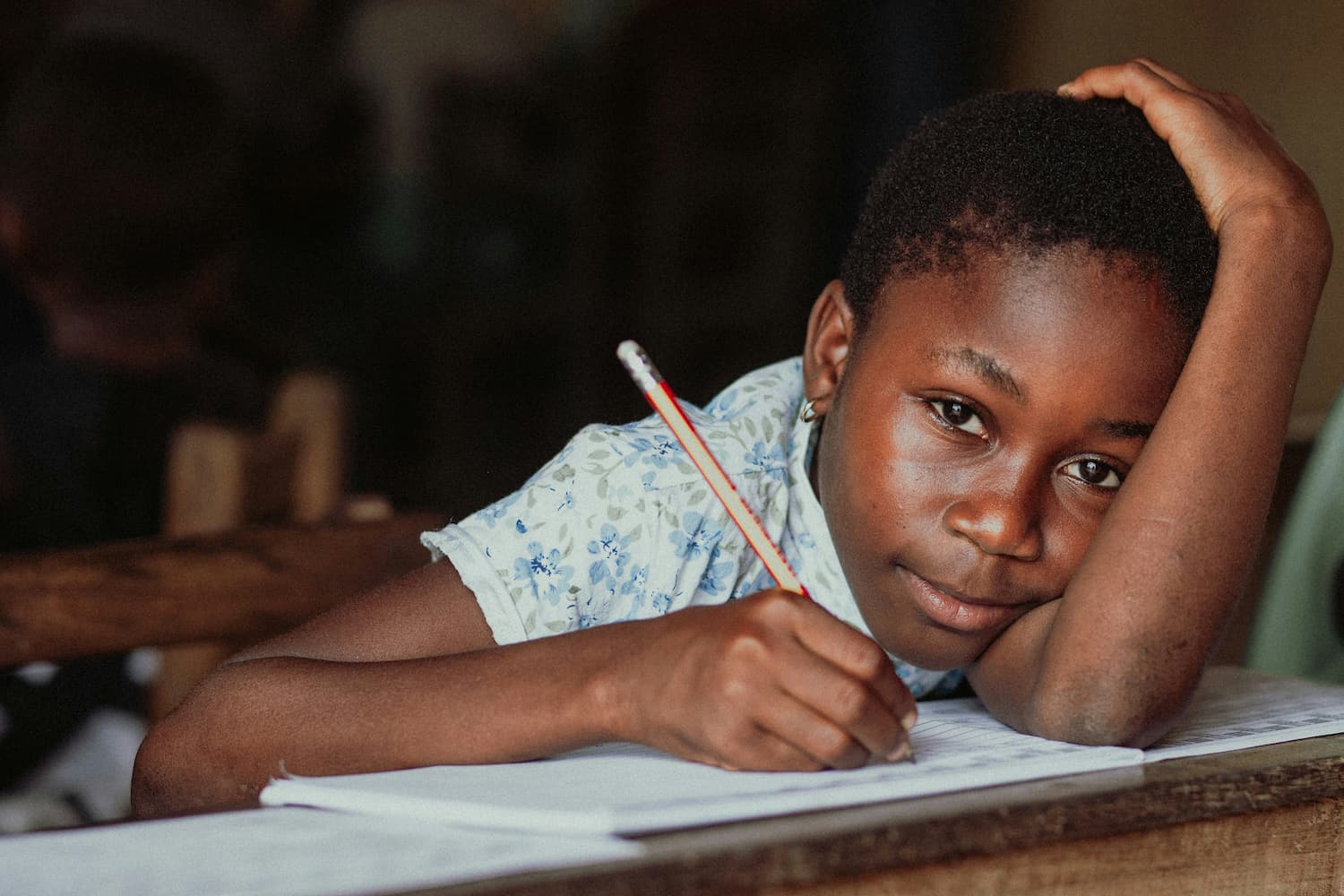
Young female student with notebook. Photo by Apex 360, Unsplash.

What we do

Our work will directly affect up to 3 million children, and reach up to 17 million more through its influence.
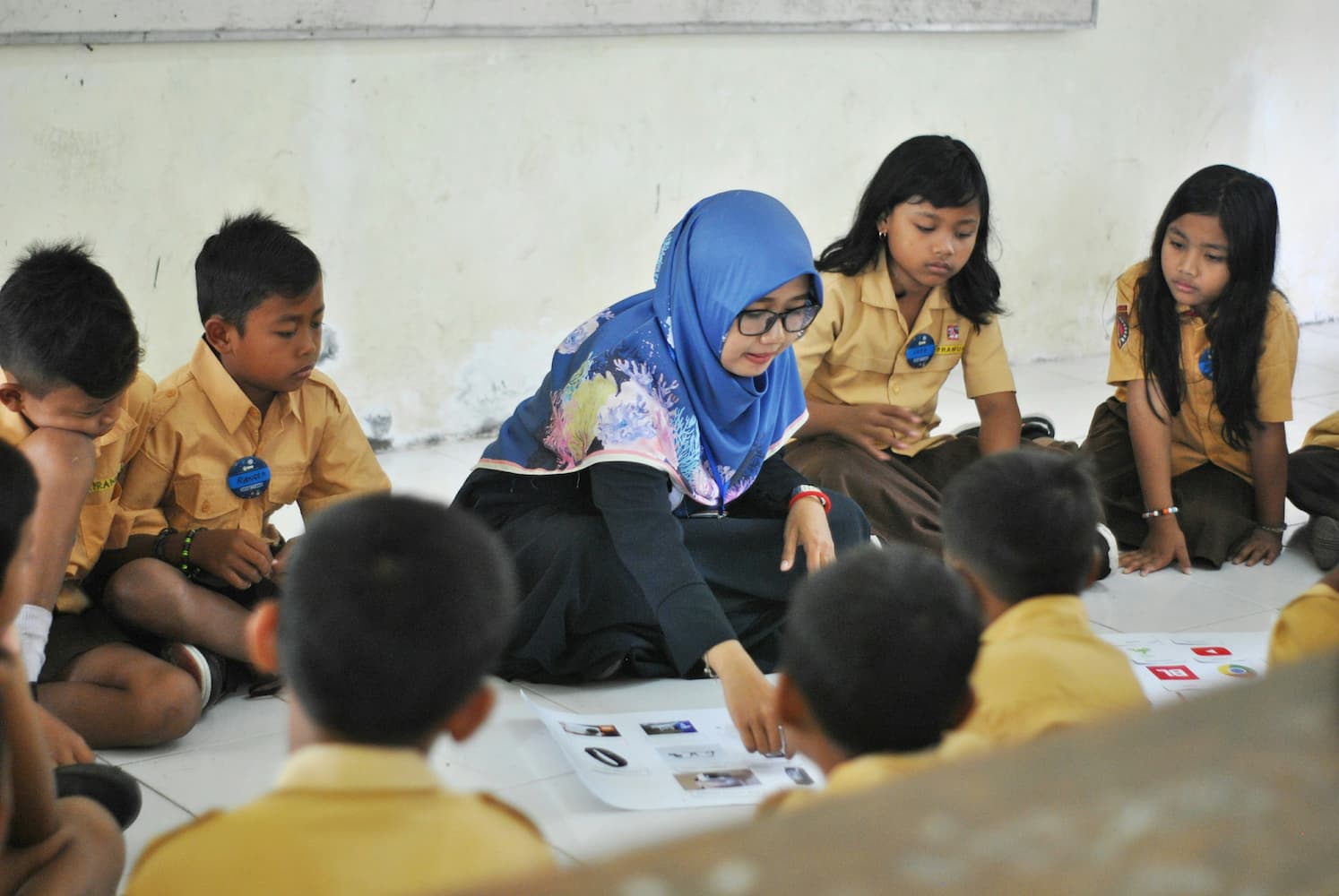
Teacher sits on the floor with group of students. Photo by Husniati Salma, Unsplash.

Who we are

A group of strategic partners, consortium partners, researchers, policymakers, practitioners and professionals working together.
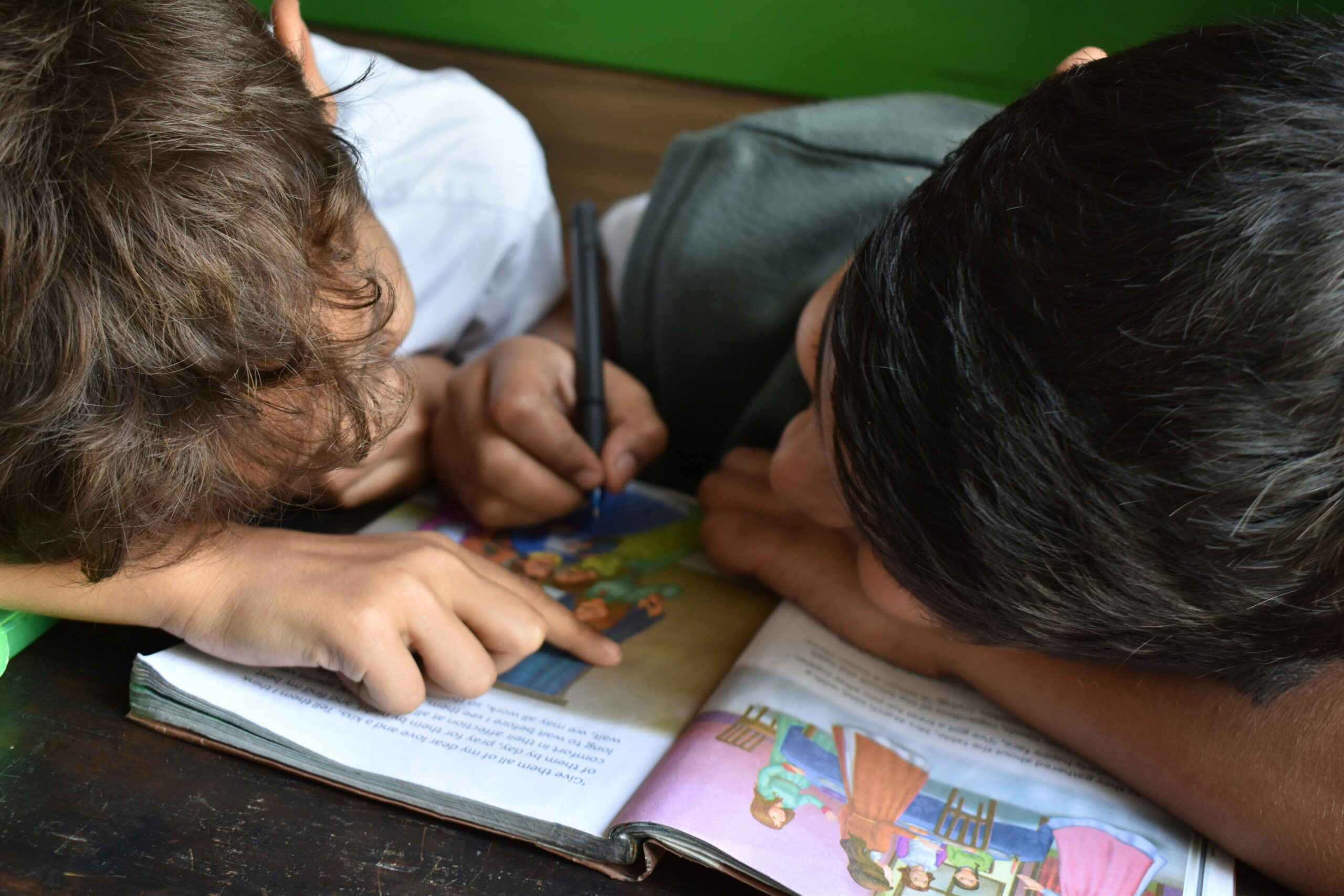
Children reading. Photo by Andrwe Ebrahim, Unsplash.

Get involved

Share our goal of literacy, numeracy and other key skills for all children? Follow us, work with us or join us at an event.

Loading...
Privacy Overview

This website uses cookies so that we can provide you with the best user experience possible. Cookie information is stored in your browser and performs functions such as recognising you when you return to our website and helping our team to understand which sections of the website you find most interesting and useful.